Botox has lived many lives. Neurologists first used it to calm overactive muscles, ophthalmologists to treat eye spasms, and dentists to ease jaw tension. In aesthetics, it relaxes expression lines so the face looks rested without losing its character. The difference between a result that whispers and one that shouts often comes down to the consultation. Good injectors welcome questions, and they answer in specifics rather than slogans. Here is how to approach your Botox consultation with the right questions, and what strong answers sound like.
What you want from Botox, and how to say it clearly
Most people book a botox consultation because they notice something that makeup no longer blurs. Forehead lines that sit even at rest, frown lines etched between the brows, crow’s feet that deepen in photos. Some ask about preventative botox, hoping to delay lines before they set. Others want a botox refresh between busy seasons, or prefer baby botox for a subtle change. Spend a moment before your botox appointment writing down what you see in the mirror and what you want to change, in plain language. “My brow feels heavy when I raise it,” “I squint when I drive and the lines linger,” “I still want to frown at my kids, just not have it show up eight hours later.”
The clearer you are, the more precisely a provider can tailor botox injections. An experienced botox injector will map your expression patterns first, not simply count the lines. They may ask you to frown, lift, smile, and squint, then watch what the overlying skin does at rest. That dynamic exam guides dosage and placement for natural looking botox.
How does Botox work, and what result should I expect?
Any good consultation should include a plain explanation of how botox works. The medication is a purified protein that temporarily reduces the signal between nerves and the targeted muscle. The muscle relaxes, the skin stops folding repeatedly, and lines soften. It does not “fill” a line, and it does not change the skin’s thickness. If your provider leans on jargon, ask them to show you on your own face. “When we treat this central area,” they might say as they touch the corrugators above your nose, “you will still be able to emote, but that pinched look when you concentrate will ease.”
Strong answers include time frames and ranges, not absolutes. Expect early softening within three to five days for most botox cosmetic injections, with the full effect at around two weeks. The botox results usually hold three to four months, sometimes a little longer in the crow’s feet and a little shorter in the forehead where movement returns sooner. First time botox can wear off a touch faster, and athletes or those with a very high metabolism may notice shorter longevity. If you are evaluating botox for forehead lines, ask specifically how they will balance the forehead and brow. Too much in the frontalis can drop a brow. A skilled injector compensates by addressing the muscles that pull the brows down, not just the one that lifts them.
Is Botox safe for me?
When patients ask “is botox safe?” they deserve more than a vague reassurance. A licensed botox provider should review your medical history and flag rare but relevant issues. Pregnancy and breastfeeding are standard reasons to defer. Certain neuromuscular conditions, active infections at the injection site, or planned facial surgery are important to discuss. Blood thinners increase bruising risk, not treatment risk, but the injector should acknowledge it and adjust technique.
Safety also means discussing what can realistically go wrong. Bruising and small injection-site bumps are common and resolve. Headache for a day or two can happen, especially with first treatments or forehead work. Temporary eyelid heaviness is uncommon but possible, usually when dosage or placement does not suit your anatomy. It resolves as the product wears off, but no one enjoys those weeks. Ask your provider how they reduce that risk in your case and how they would manage it if it happened.
What is your training and approach?
Credentials matter. So does the injector’s eye. “How many years have you been doing botox injections?” is a fair question. Better still, ask what their initial training was and how they continue to learn. The best injectors use maps, but they do not treat faces like maps. They vary technique for thick or thin skin, high or low hairlines, deep or superficial muscle insertion, and for preferences like a lifted tail of the brow or a softer smile.
When an injector says they favor natural looking botox, ask how they achieve it. You might hear about dose ranges rather than fixed doses, lighter touches in the forehead for first timers, and the use of baby botox or micro botox to keep movement while softening lines. Light botox can be helpful for people on camera who need expression, or for men whose heavier frontalis muscle needs strategic spacing rather than a single blanket dose. An experienced botox injector will show you how they tailor treatments for botox for men versus botox for women, since brows, hairlines, and muscle bulk differ.
What areas will you treat, and why?
Botox for facial wrinkles is not one-size-fits-all. A provider should walk you through each proposed injection point. For glabellar frown lines, expect several small injections between the brows to relax the corrugators and procerus. For botox for crow’s feet, tiny superficial injections near the outer eye allow a smile to stay bright but less crinkled. For botox for forehead lines, injections across the frontalis are placed and dosed to avoid brow heaviness. If you are asking about botox face treatment as part of anti aging, the conversation can include chin dimpling, gummy smile, or pebbly chin, and down the line, the platysma bands of the neck.
Ask your provider to show you photos of botox before and after for similar concerns. Insist on examples that show expressions, not just static faces, which hide movement. If they cannot produce examples, ask for a detailed explanation of the expected effect. Specificity signals experience.
How much Botox will I need, and how will you dose it?
Dosage is not a quality contest. More is not automatically better. A common starting range for frown lines might be 15 to 25 units, for crow’s feet 6 to 12 units per side, and for forehead lines 6 to 15 units, adjusted by anatomy, gender, and goals. Light botox or preventative botox uses the lower end of those ranges, sometimes even half of that, with the aim of softening muscle activity rather than freezing it. If your provider only quotes a single number regardless of what they see, push for personalization.
Reputable clinicians will explain dose in the context of your muscle strength and the interplay between areas. A strong frown with a weak forehead calls for more attention between the brows and a cautious forehead dose. If you lift your brows habitually to keep your eyelids from feeling heavy, your injector might suggest skipping the forehead on a first visit and evaluating in two weeks. That kind of judgment prevents the flat look patients fear.
What will the appointment feel like?
The botox procedure is quick, but it should not feel rushed. A thorough botox consultation usually takes more time than the treatment itself. After mapping your expressions, the injector cleanses the skin and sometimes uses a topical numbing cream or ice. The needles are very small; most patients rate discomfort as minimal. Expect a few tiny blebs that settle within minutes. For anyone prone to bruising, ice before and after can help. Pressure on any spot that bleeds a little is standard.
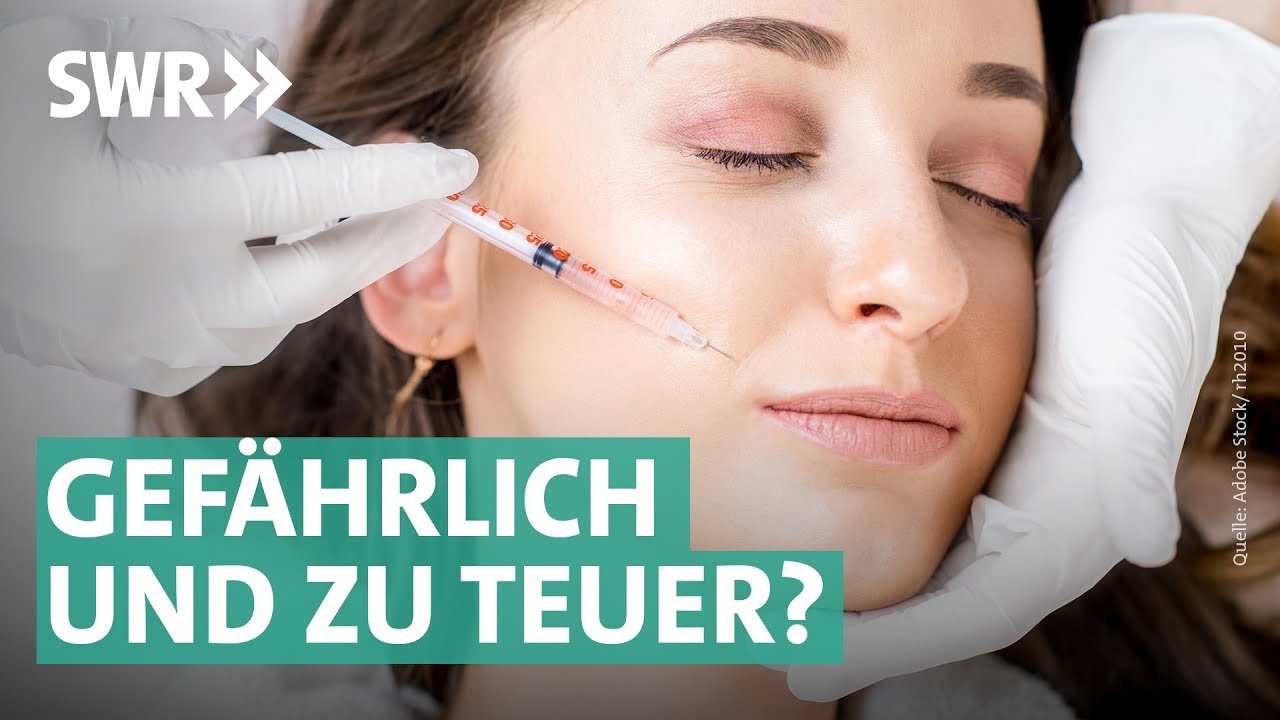
Plan the timing of your botox session around your life. For high-stakes events, treat at least two weeks before you need to look your best, leaving room for a follow up or a small botox touch up if needed. For people who have never had botox therapy, a quiet day after treatment reduces the chance of rubbing or pressing the area by accident. Makeup can go on gently after a couple of hours once any pinpoint bleeding stops.
What is recovery like, and what should I avoid?
Botox downtime is minimal compared to surgeries or laser resurfacing. Most people return to work right after a botox appointment. There are sensible rules to protect the placement while it binds to the nerve endings. Avoid vigorous exercise, saunas, or face-down massage for the remainder of the day. Do not rub or press the treated areas firmly. Sleep on your back if you can, though a single night on your side will not ruin results.
If a small bruise appears, cold compresses in the first day and then warm compresses later help. Arnica can support resolution if that fits your routine. Makeup covers most marks. Headaches respond to hydration and over-the-counter pain relief, assuming your provider clears it with your medical history. If anything feels unusual, call rather than guess.
How long does Botox last, and how do I maintain results?
Botox longevity depends on the dose, the muscle treated, and your physiology. Three months is a dependable average, with some seeing effects up to four or occasionally five months. The more consistent you are with botox maintenance, the more lines at rest soften over time. People who wait until every bit of movement returns will ride a more noticeable swing. Others prefer a steady schedule.
Ask about a maintenance plan that makes sense for your budget and your calendar. Many clinics set follow ups at two weeks for new patients to fine-tune, then space maintenance at three or four months. If a single area fades faster, a small interim session can focus there. Over time, many patients find they need fewer units to hold the same result because the muscle memory of intense contraction eases.
What are the side effects and how do you handle them?
Most botox side effects are mild and brief, but a provider should address the rare outcomes too. Bruising, soreness, and small bumps are routine. Headaches are not unusual for 24 to 48 hours. Eyelid or brow heaviness is infrequent when injection patterns respect anatomy, but when it happens, the clinic should offer a plan and support. There are eye drops that can temporarily lift a drooping upper lid a millimeter or two. Reputable clinics bring you in to assess rather than guessing over the phone.
Allergic reactions to botox are exceedingly rare. Flu-like feelings have been reported in small numbers. If you experience anything that feels systemic rather than local, your provider should advise on next steps and, if needed, coordinate with your primary care clinician.
What does it cost, and how should I think about pricing?
Botox cost is either quoted per unit or per area. Per unit pricing makes the math transparent. Per area pricing can work if dose ranges are clear and fair, but it can also hide a lighter treatment under a flat fee. Ask how many units your plan includes and what happens if you need a touch up. Affordable botox does not mean cheap product or inexperience. Conversely, a high price does not guarantee the best botox treatment. You are paying for product quality, sterile technique, clinical oversight, and the injector’s judgment.
Geography and expertise drive botox pricing. Urban markets often charge more than smaller towns. Men usually require higher doses, especially in the forehead, which increases cost. If you search “botox near me” and find wide variation, schedule consultations rather than committing by price alone. Be wary of prices that seem far below the regional norm. Counterfeit product and over-dilution do exist. A professional botox practice should be transparent about brand, lot numbers, and reconstitution methods.
What brand are you using, and how is it stored?
While “botox” is often used generically, ask which neuromodulator the clinic plans to use. If it is brand-name Botox Cosmetic, they should say so. If they are using another FDA-cleared neuromodulator, your provider should explain why and how it compares. Consistency matters; switching brands occasionally is fine, but frequent switches can make it hard to compare results.
Ask about storage and preparation. The product should remain refrigerated after reconstitution. An experienced injector will know their exact dilution and why they use it. Over-dilution can spread effect too widely and reduce potency. Precise details signal a clinic that treats neuromodulators like medication, not makeup.
What is your follow-up policy?
Great practices build follow up into the plan. If you are new to botox cosmetic, a check at two weeks lets the provider see your result at full effect. Small asymmetries show up in movement, and this visit is the time to correct them. Ask whether touch ups are included or billed per unit, and within what timeframe. For a small tweak, most clinics use a handful of units and consider it part of the initial botox service. If you decide after a month that you want a stronger effect, that is typically a new treatment.
A reliable clinic also outlines how to reach them if something feels off. A direct line or a patient portal beats a generic email. If a provider hesitates to commit to follow up or dismisses your concerns, that is a sign to keep looking.
How will you keep my face expressive?
No one wants the cookie-cutter “frozen” look. Achieving subtle botox is a partnership between your goals and your injector’s technique. Ask how they leave movement where expression matters. Some common strategies include feathering doses across the forehead instead of heavy central points, preserving lateral fibers of the orbicularis oculi around the eyes to keep a smile alive, and respecting the elevator-depressor balance around the brows. For those used to animated speech, micro botox can soften motion while avoiding a robot-like stillness.
The best feedback you can give is in your daily life. Do you struggle to raise your brows when you apply mascara? Do friends say you look rested but still like yourself? Bring those observations to your next botox follow up so your injector can adjust.
Can Botox help prevent future wrinkles?
Preventative botox has become popular among people in their late twenties and early thirties. The logic is sound: reduce repetitive folding before lines etch permanently, and you will delay their appearance. The key is restraint. Small, well-placed doses spaced a few times per year can keep skin smooth without creating dependence or rapid atrophy. Over-treating young faces can flatten personality and shift other muscles to overcompensate. If you pursue botox anti wrinkle therapy early, ask your provider to use the lightest effective dose and revisit the plan yearly.
Where does Botox fit among other treatments?
Botox excels at dynamic lines, the ones that appear with movement. Static lines etched deep into the skin may need a multi-modal plan. This can include skincare like retinoids to build collagen, lasers or microneedling for texture, and hyaluronic acid fillers for volume-related deflation. A botox facial is not a standard term, but some clinics pair neuromodulators with facials or light resurfacing for a same-day boost to brightness. Ask for a plain-language map of what botox can do alone and where it should be combined with other options. You want the right tool for the job, not every tool.
What should I do before and after my appointment?
Short checklist you can screenshot:
- Pause nonessential blood-thinning supplements like fish oil, vitamin E, ginkgo, and high-dose garlic for a week if your doctor agrees. Do not change prescription blood thinners without medical guidance. Avoid alcohol the night before to reduce bruising. Arrive with a clean face, no heavy makeup or oils. Plan gentle activity for the rest of the day, no hot yoga, saunas, or deep tissue face massage. Keep your follow-up window free around two weeks in case small adjustments are needed.
These are common-sense steps that reduce risk and make for smoother botox recovery.
What if it is my first time?
First time botox patients often feel unsure about dose and fear looking “done.” Tell your injector you prefer to err on the conservative side. A cautious first session, then a botox touch up two weeks later if you want a bit more, is a reasonable path. Take photos before and at the two-week mark in similar lighting. The brain adapts fast; it is easy to forget where you started, then chase an ever-smoother look. Photos keep you grounded and help you decide on future botox maintenance intervals.
An anecdote: a patient in her late thirties came for botox for frown lines that made her look stern on video calls. We treated the glabella with a standard mid-range dose and left the forehead alone. Two weeks later, she felt brighter but noticed she raised her brows less. She chose to keep the forehead natural. A month after that, she requested a few units of baby botox in the crow’s feet for a softer smile. By prioritizing the issue that bothered her most and staging treatment, she found a sweet spot that fit her personality and job.
How should I evaluate a clinic?
Slick marketing is not the same as depth of care. When you search for “botox near me,” look beyond the first page ad. Read reviews for mentions of follow up, clear explanations, and consistent results rather than generic praise. During your consult, notice whether the injector watches your face while you speak, not just when you perform expressions. That natural movement tells more than posed grimaces. Ask to see the vial, the box, and the expiration date. Small details like fresh alcohol wipes, gloves, and sharps disposal bins are non-negotiables in a medical botox setting.
A clinic that pushes bundles or insists you treat multiple areas on day one, despite your stated goal, may be prioritizing volume over personalization. A thoughtful clinic might say, “Let’s start with your main concern, then see how the rest of your face responds,” which usually leads to more trust and better long-term botox results.
What happens if I do not like the result?
Botox is temporary. That fact comforts many first timers. If you feel too smooth, you will slowly regain movement over weeks. If you feel under-treated, a small supplement can help, ideally within the two to three week window when the initial effect is set. In rare cases of asymmetry or heaviness, your provider can adjust neighboring muscles to balance the look. The question to ask at consultation is straightforward: if I am not happy, how do we make it right? You want to hear a structured answer with a time frame, not defensiveness.
How do you plan for future sessions?
Faces change. Workouts change. Jobs, stress, and sleep routines shift how we emote. A strong injector treats each botox session as data gathering, not just delivery. They record dose and points, then compare your botox before and after photos while discussing your lived experience. Over a few cycles, consistency emerges. You might discover that your brow prefers touch ups every ten to twelve weeks, while crow’s feet hold up to sixteen. You might find that micro botox on the upper lip every other session controls lip lines without a rigid https://batchgeo.com/map/orlando-fl-botox smile. Good planning saves money and keeps results elegant.
A note on special cases
- Heavy lids or low brows at baseline: Forehead dosing must be gentle, and brow depressors need attention. Skipping the forehead entirely for the first round is often wise. Strong outdoor athletes: UV and facial movement can shorten botox longevity. Discuss realistic intervals and consider slightly higher dosing in robust muscles. Men with thick frontalis: Expect higher unit counts for forehead smoothing and a focus on spacing to avoid a shelf-like brow. Dental clenchers: While this article focuses on cosmetic concerns, ask about masseter treatment if you have jaw pain and a wide lower face. Medical botox in the masseters can narrow the jawline visually and reduce tension. It requires an injector comfortable with that anatomy.
Red flags that warrant caution
Quick list to keep handy:
- The provider cannot name their training or show proof of licensure. The clinic avoids discussing side effects or dismisses questions about anatomy and dosing. Prices are dramatically below local averages without explanation. No follow-up policy, or pushback when you request one. Pressure to add multiple areas unrelated to your main goal during the first visit.
Trust your instincts. You are not buying a product; you are entering a clinical relationship.
The last questions to ask yourself
Do you feel heard? Did the provider explain botox injection choices in terms that made sense on your face, not just on a diagram? Are you comfortable with their plan, their botox pricing, and their availability for follow up? If the answers are yes, you are set up for a result that looks like you on a well-rested day. That is the aim of top botox injections and the heart of professional botox care.
With the right preparation and the right clinician, wrinkle relaxing injections become a quiet, reliable part of your routine. Expressive where it counts, smoother where it helps, and flexible enough to adjust as your life does. That is the standard to look for when you walk into a botox consultation, and those are the questions that help you find it.